Precise fits
Contact seats and fits are measured in the trials. Contact quality is secured at the mould stage.
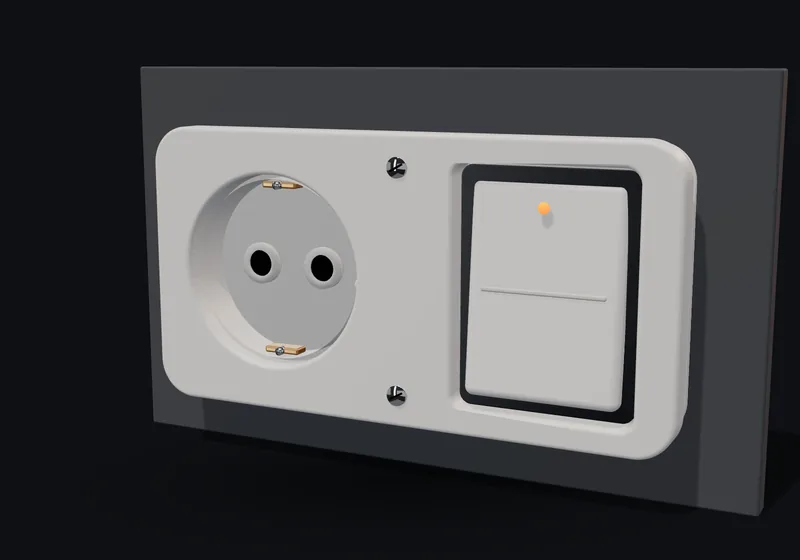
Sockets, switches, connectors and charging station parts
On connection parts a deviation of a few hundredths of a millimetre already affects contact quality. We build the moulds and assembly lines for sockets, switches, connectors, charging stations and solar connection parts together.
(01) Our work
Electrical and energy products are made in wide variant families. Building the mould and the assembly line around those families lowers cost and commissioning time.
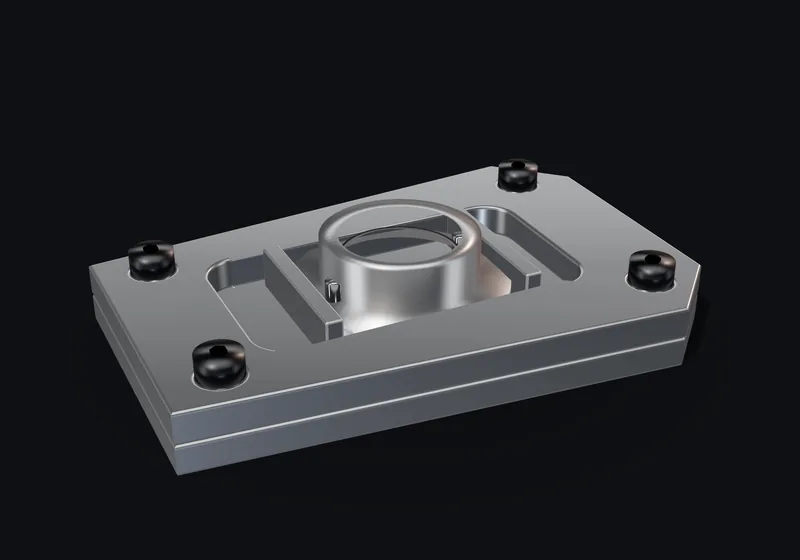
Tight tolerance multi-cavity moulds. Metal contact seats and fits are measured in the trials.
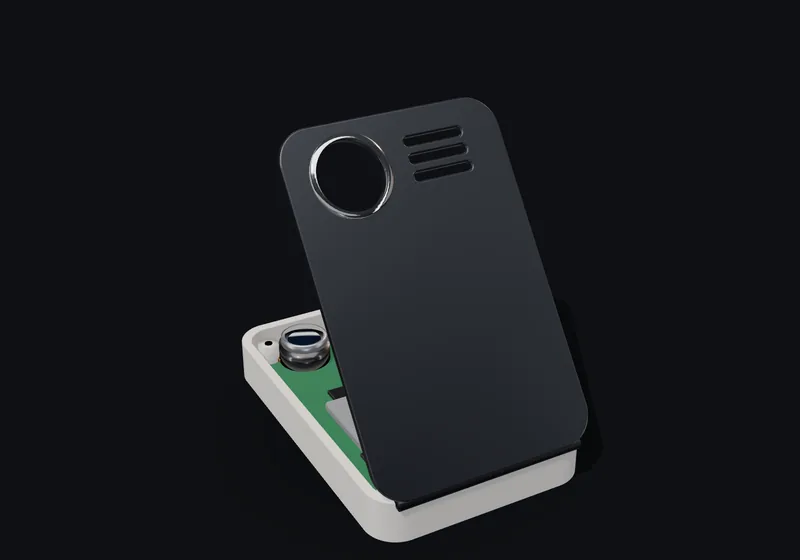
High tolerance moulds for housings, covers and connection parts. The part family is multiplied on one platform.
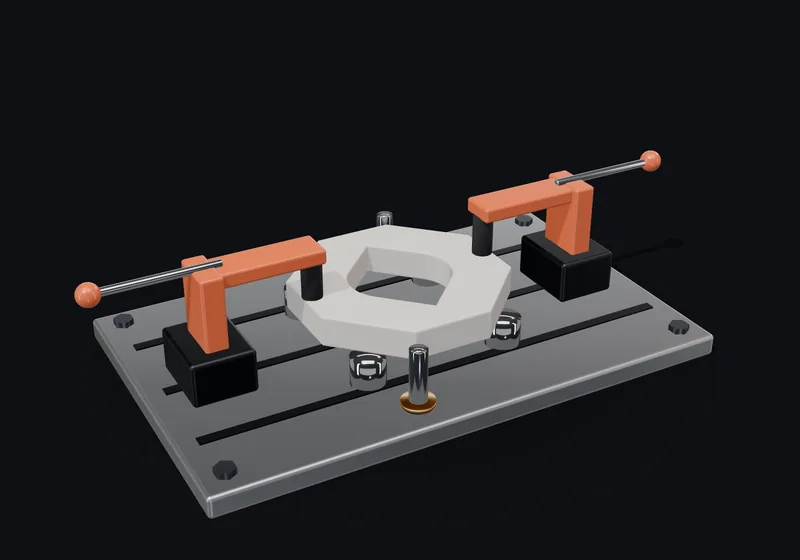
Special rigs covering metal contact insertion, assembly and electrical test steps.
Feeding, placing and vision inspection cells that speed up the assembly line.
(02) Services
The services used together most often in this industry. Each can also be taken on its own.
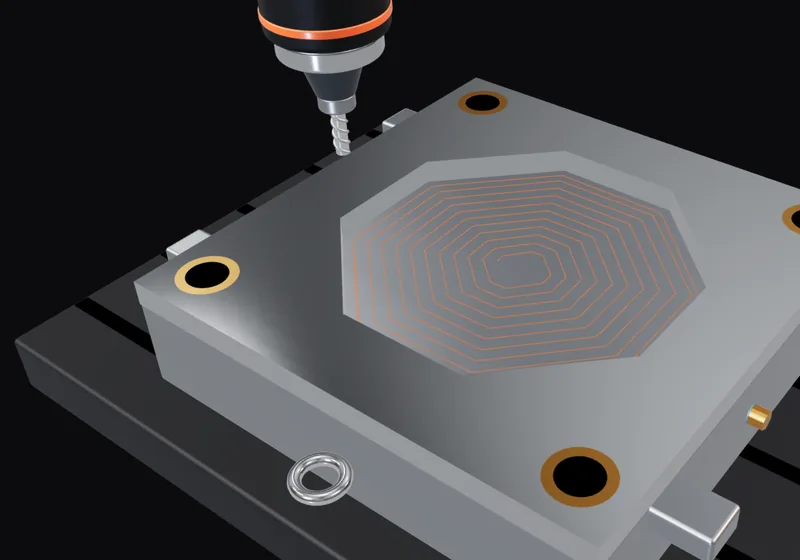
01 / Injection tooling
A mould platform is built around the part families. Common parts are reused, trials are documented with CMM reports.
Explore the service: Injection tooling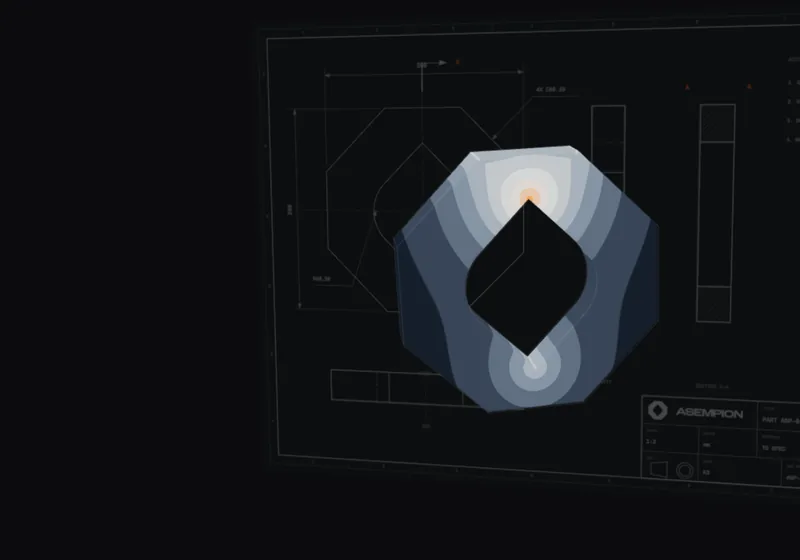
02 / Industrial design
Wall design and material selection follow the behaviour under heat and mechanical load.
Explore the service: Industrial design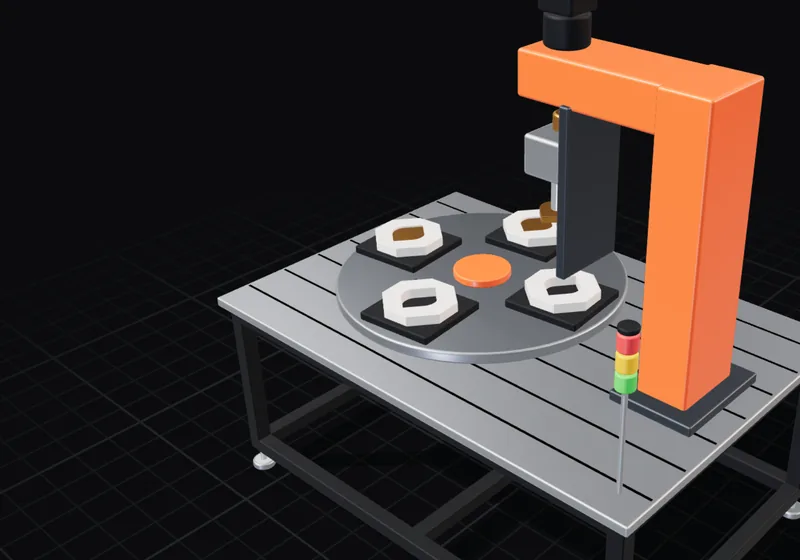
03 / Special machinery
Contact insertion, assembly and electrical test rigs are designed from zero for your product.
Explore the service: Special machinery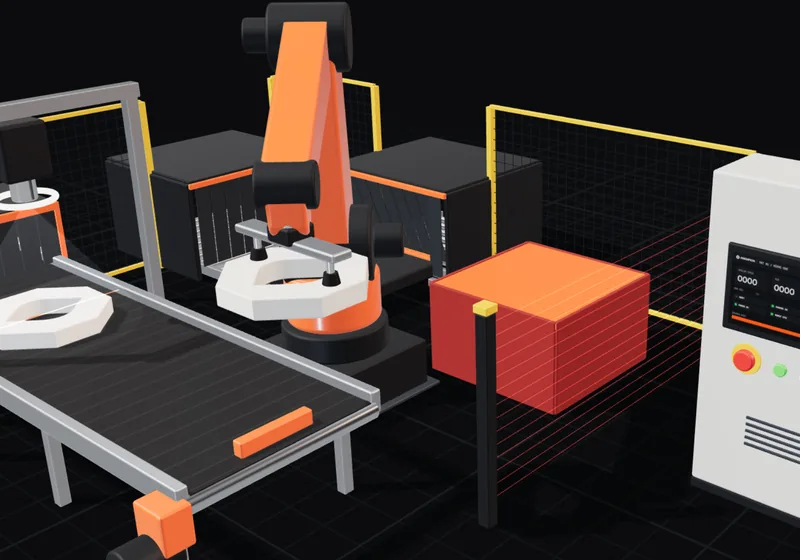
04 / Automation & control
Feeding, placing and vision inspection raise the speed and repeatability of the assembly line.
Explore the service: Automation & control(03) Focus
How the principles that hold on every project apply in this industry.
Contact seats and fits are measured in the trials. Contact quality is secured at the mould stage.
Material selection and wall design follow the behaviour under heat and mechanical load.
When variants multiply, common parts are reused. Mould cost and commissioning time go down.
(04) Questions
The questions we hear most in this industry, with short answers.
How the metal contacts seat in their pockets and the fits directly affect contact quality. These dimensions are measured in the mould trials and the mould is adjusted if needed.
A mould platform is built so that common parts are reused across the models of one product family. That way a new mould is not needed for every variant and commissioning time is shorter.
Metal contact insertion, assembly and electrical test steps, made for your product. On request it becomes an automatic cell with feeding, placing and vision inspection.
Material and wall design are chosen for the behaviour under heat and mechanical load. When you share your operating conditions and any requirements we decide it together.
Next industry07 / 09