Surface quality
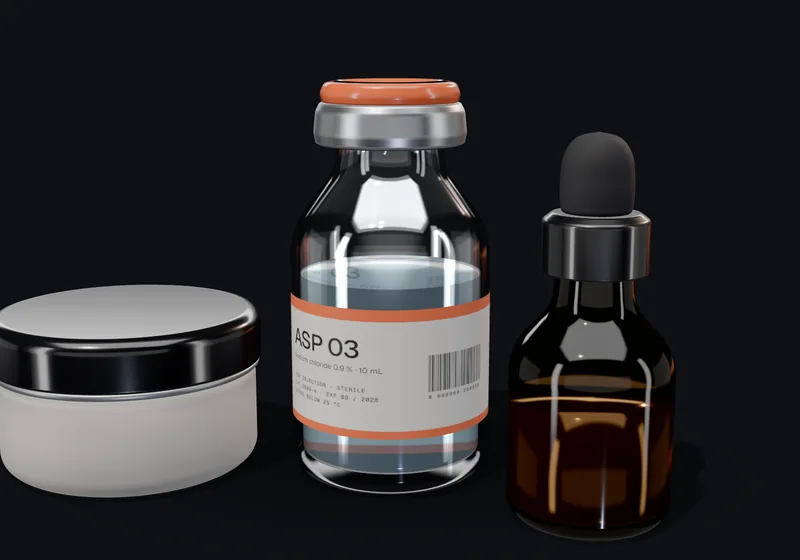
The mould surface and its polish decide how a cosmetic part looks. Surface expectations are written down during design.
Housings, covers and vision inspection
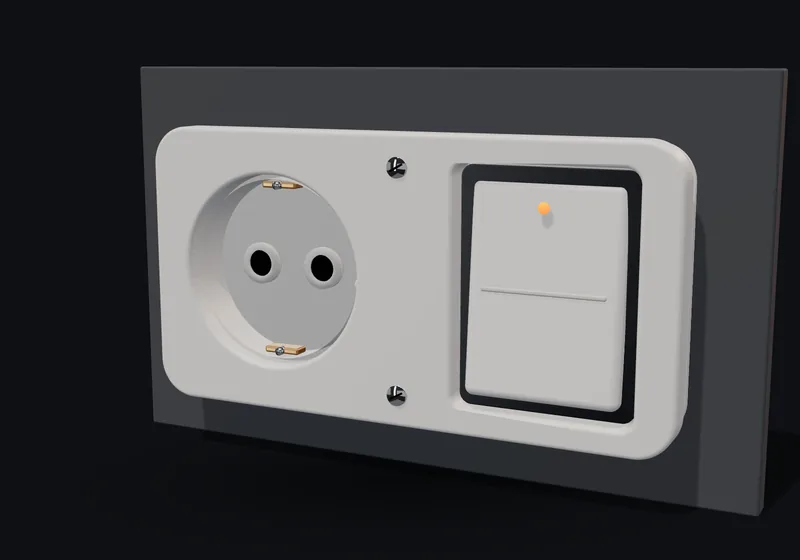
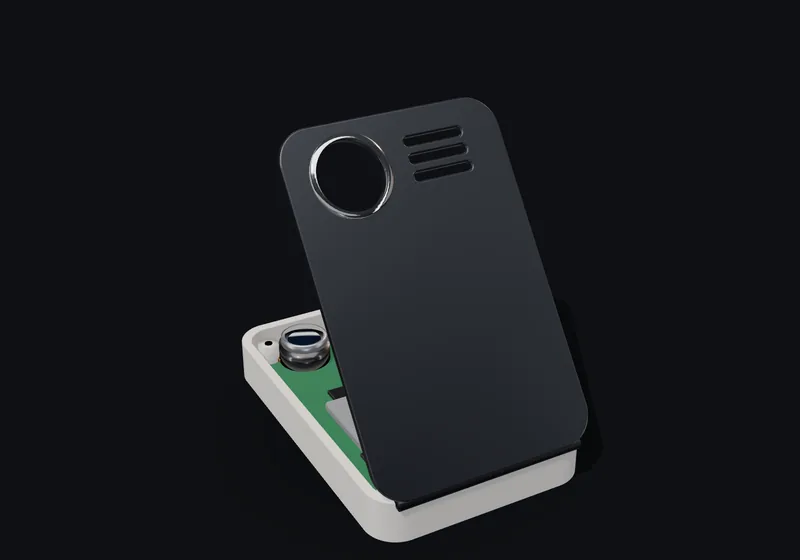
On housings, covers and frames the look and the dimensions have to hold at the same time. We design the part, build its mould and set up the vision inspection on the production line.
(01) Our work
The first impression of an electronic product comes from its surface, its lifetime from its fits. We secure both at the mould stage.
Refined surfaces, thin walls and snap fit details. Mould flow analysis deals with warpage and sink risk before production starts.
2K and overmoulding tools for soft touch grips, seals and two material parts.
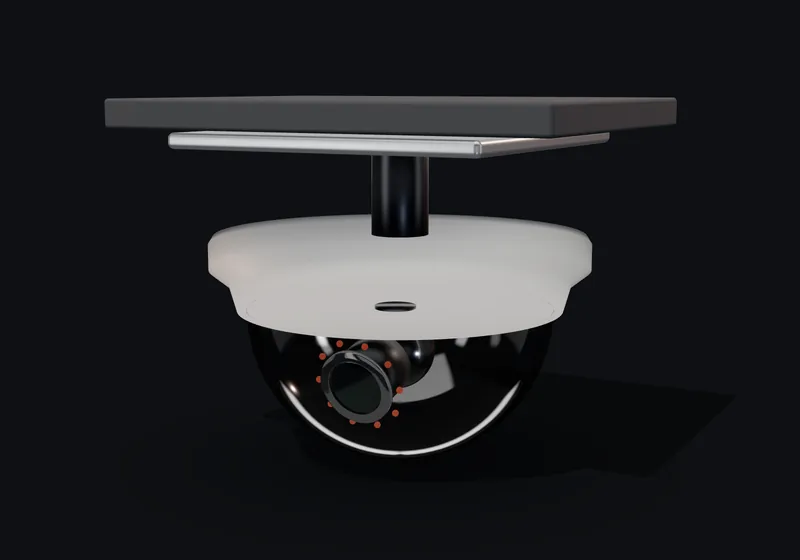
Vision systems for surface defects, missing features and dimensional drift. A faulty part is taken off the line.
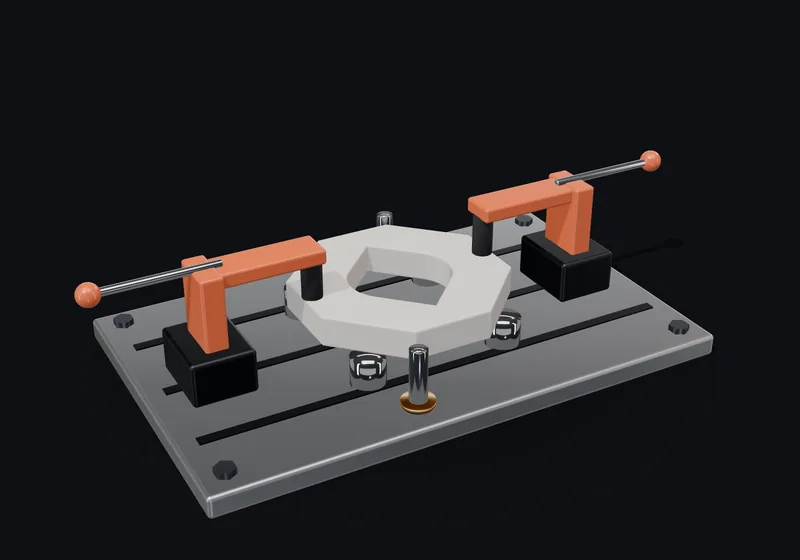
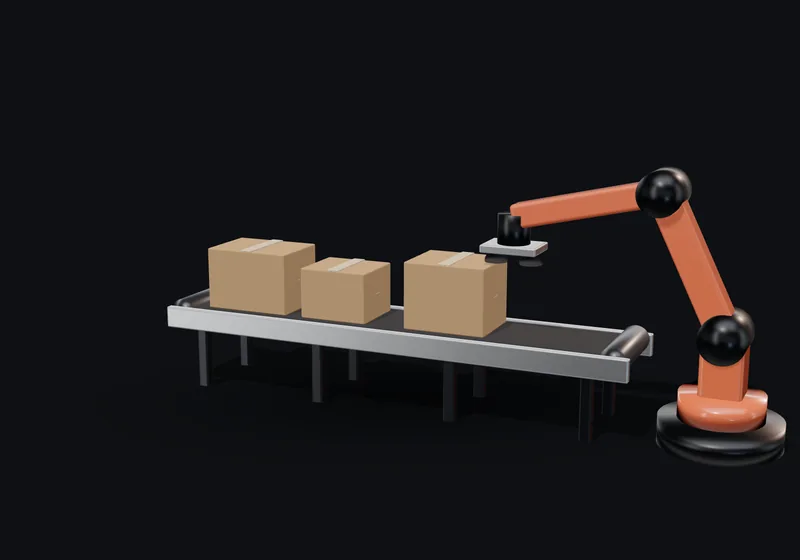
Automation that brings cover closing, screwing, labelling and functional test together in one cell.
(02) Services
The services used together most often in this industry. Each can also be taken on its own.
01 / Injection tooling
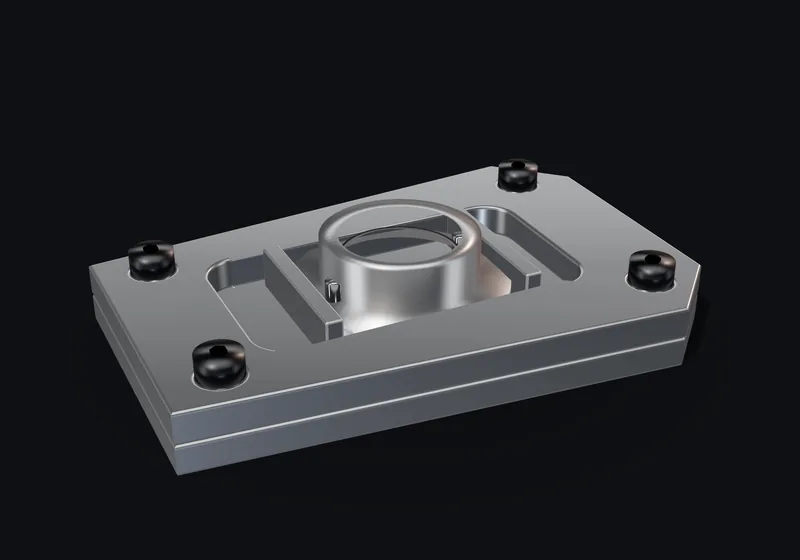
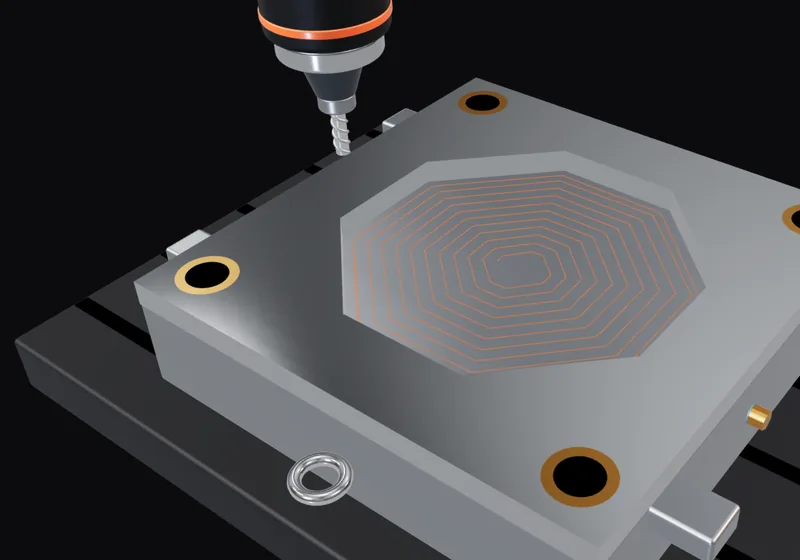
Polishing and texture for cosmetic surfaces, 2K moulds for two material parts. Trials are documented with CMM reports.
Explore the service: Injection tooling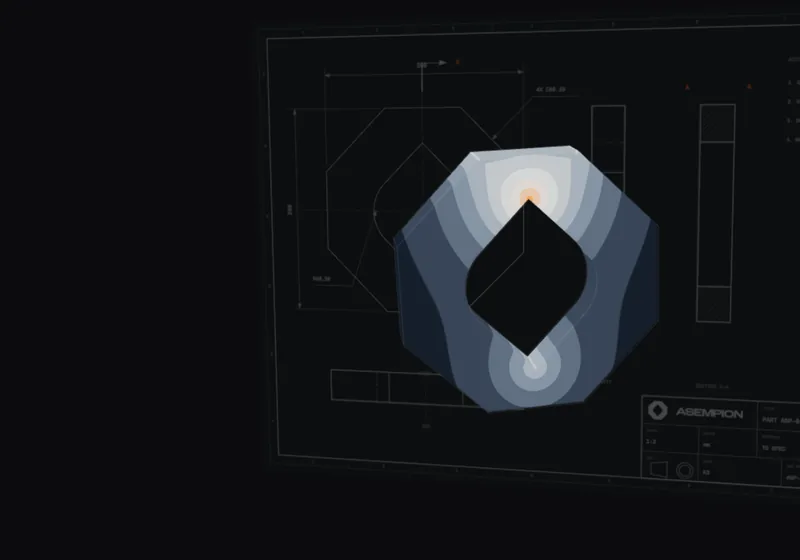
02 / Industrial design
Wall thickness, bosses and fits are modelled for the manufacturing method. The design language is not compromised.
Explore the service: Industrial design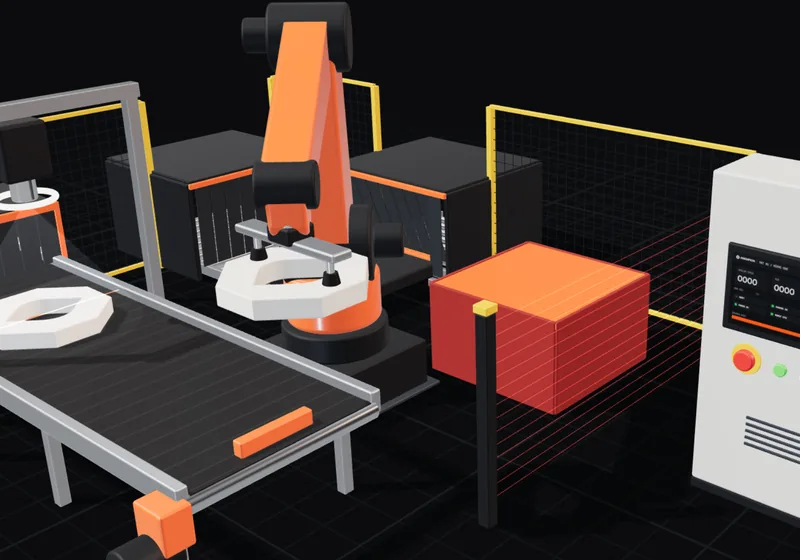
03 / Automation & control
Vision inspection judges every part against the same criteria and records the results.
Explore the service: Automation & control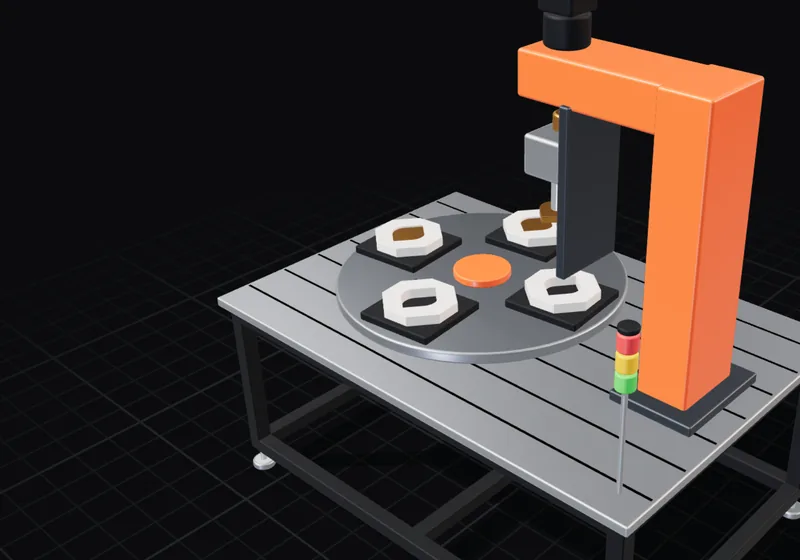
04 / Special machinery
Assembly and test stations are designed for the product family. Fast changeover is planned in for model changes.
Explore the service: Special machinery(03) Focus
How the principles that hold on every project apply in this industry.
The mould surface and its polish decide how a cosmetic part looks. Surface expectations are written down during design.
Wall thicknesses, bosses and fits are verified with mould flow analysis.
Vision inspection judges every part against the same criteria. Quality does not depend on the eye of an operator.
(04) Questions
The questions we hear most in this industry, with short answers.
They join two different materials, for example a rigid body and a soft grip, into one part. It is done in the same mould or in two consecutive mould stages. It is used for seals, grip surfaces and impact absorbing areas.
Wall thickness, filling and cooling design are analysed with Moldflow before production. In the mould trials the parts are measured and the mould and process are adjusted if needed.
The vision system is set up for surface defects, missing or misplaced features and dimensional drift. The criteria are defined per product, a faulty part is taken off the line and the results are recorded.
A design validated with a functional prototype, and a prototype mould if needed, goes through DFM review and then into the series mould design. Measurements from the prototype feed the tolerances of the series mould.
Next industry03 / 09