Fast iteration
With design, tooling and rigs in one team, a change does not depend on going back and forth between companies.
Prototypes, test rigs and pilot production
In R&D speed means answering the right question as early as possible. We turn the idea into a prototype, the prototype into a test rig and the rig into pilot production, and feed what you learn back into the design.
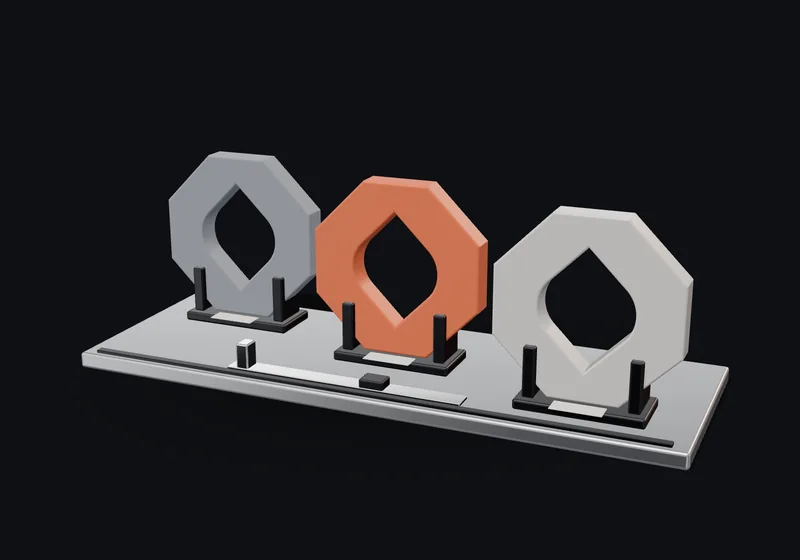
(01) Our work
For development teams the most expensive thing is time and knowledge lost between suppliers. Keeping design, tooling and rigs in one team shortens the iteration loop.
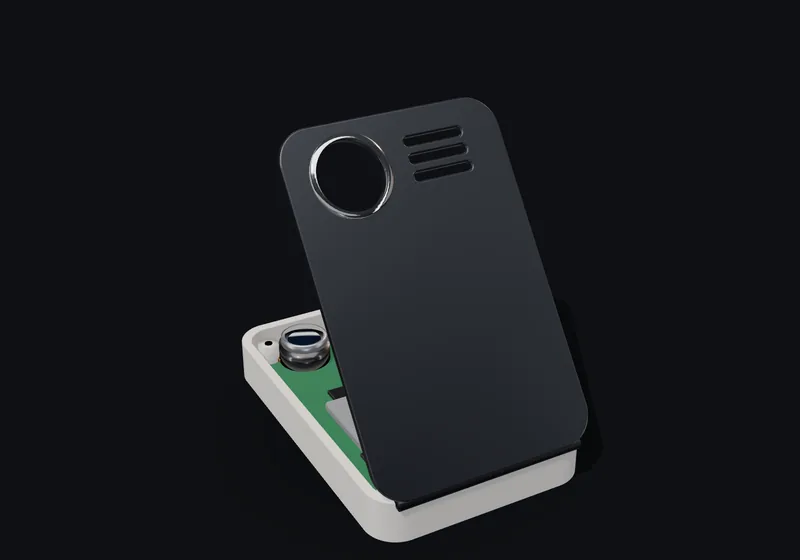
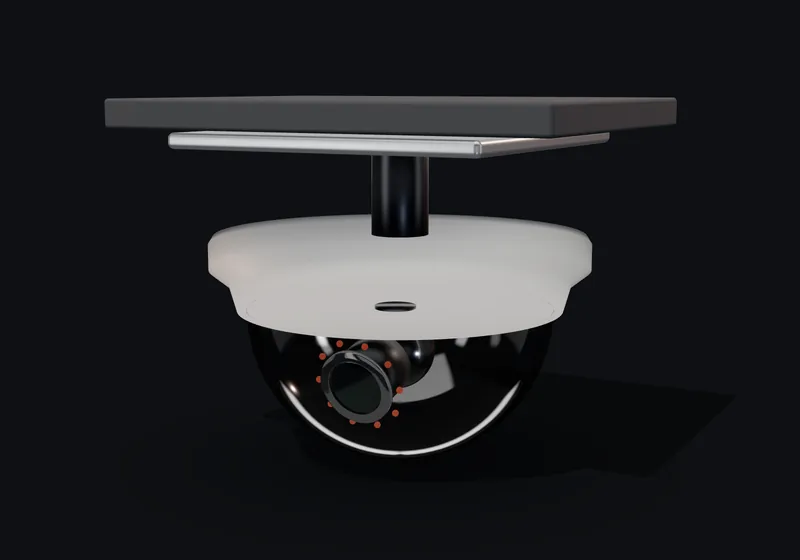
Form, fit and function are tested early with SLA, SLS and machined samples.
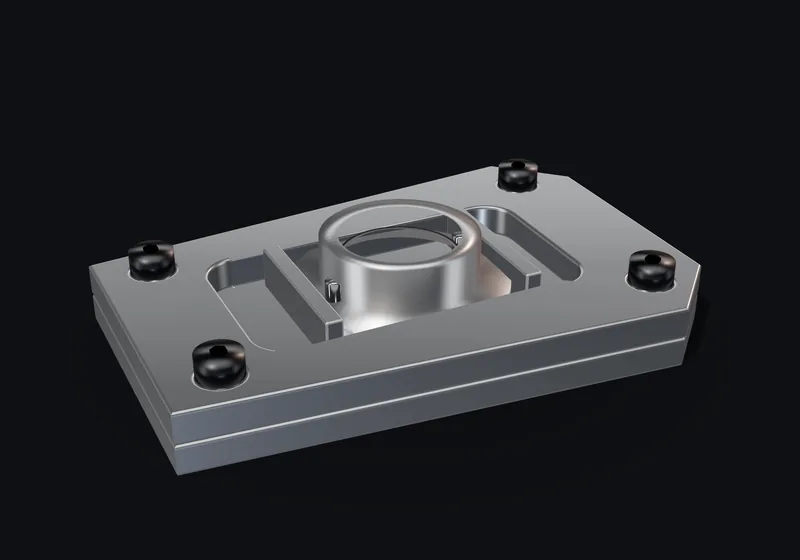
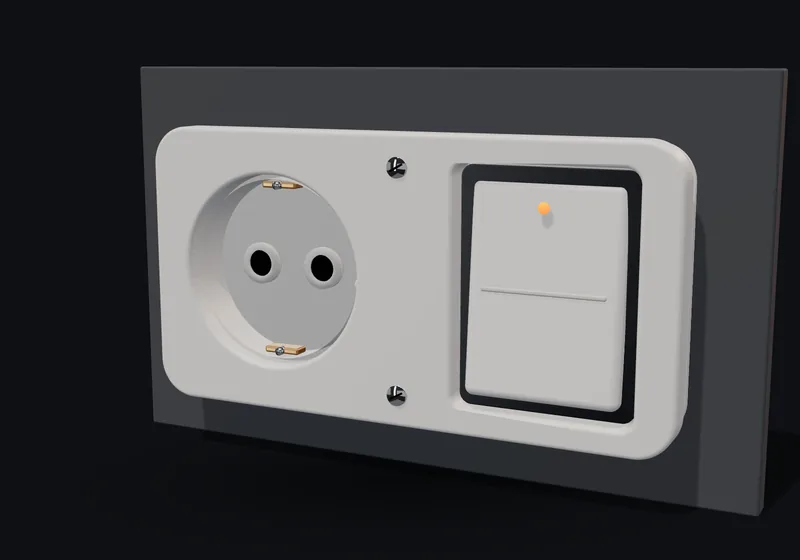
Fast, economical moulds for small trial runs. The results feed into the series mould design.
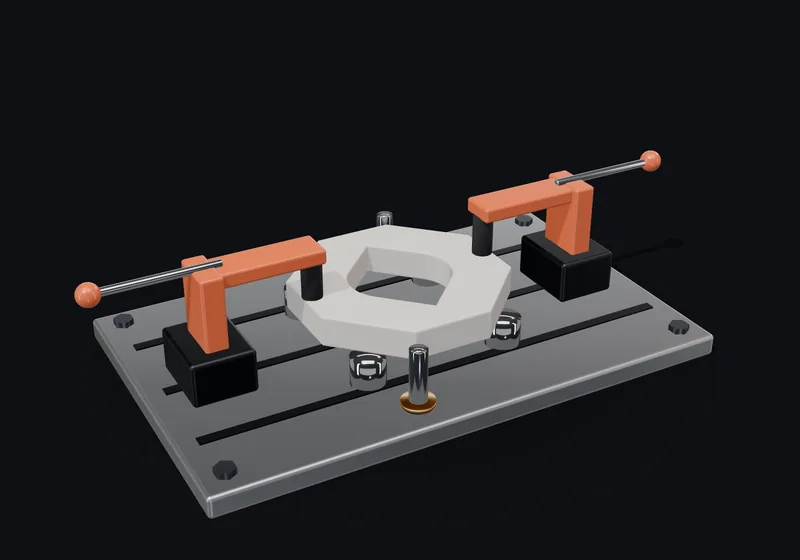
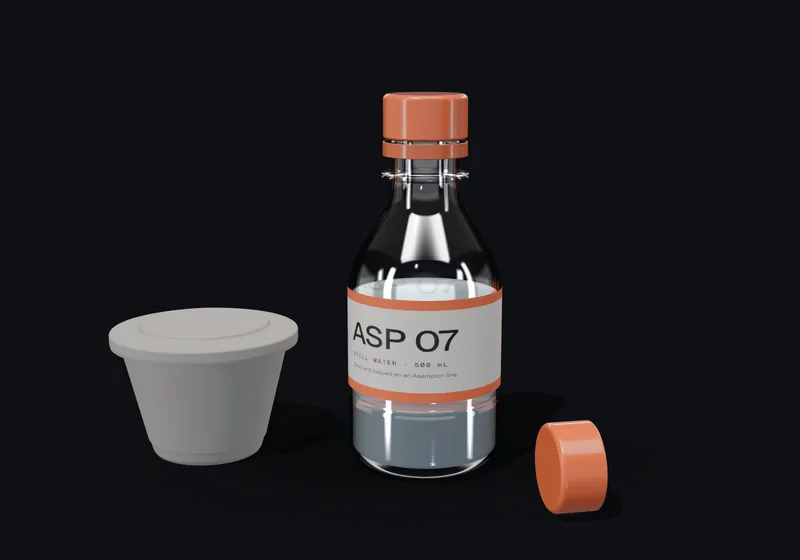
Rigs that copy the real load and operating conditions of your product and collect data.
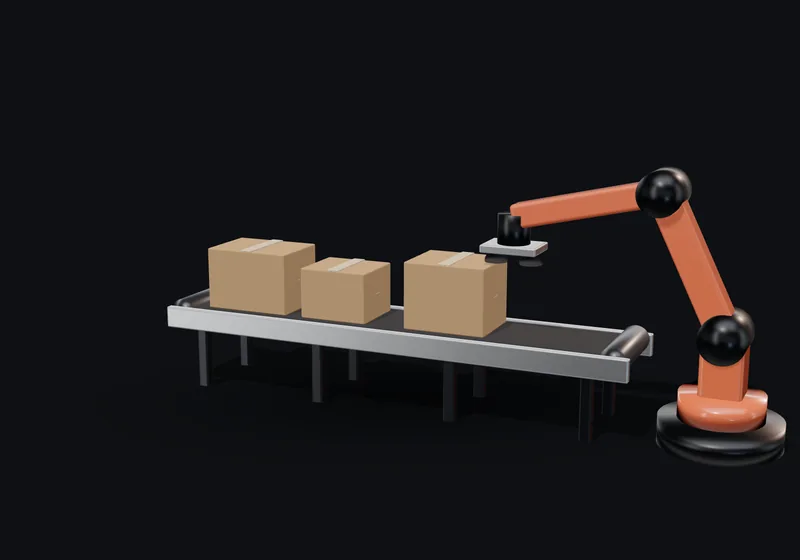
Semi automatic stations for low volume but repeatable production.
(02) Services
The services used together most often in this industry. Each can also be taken on its own.
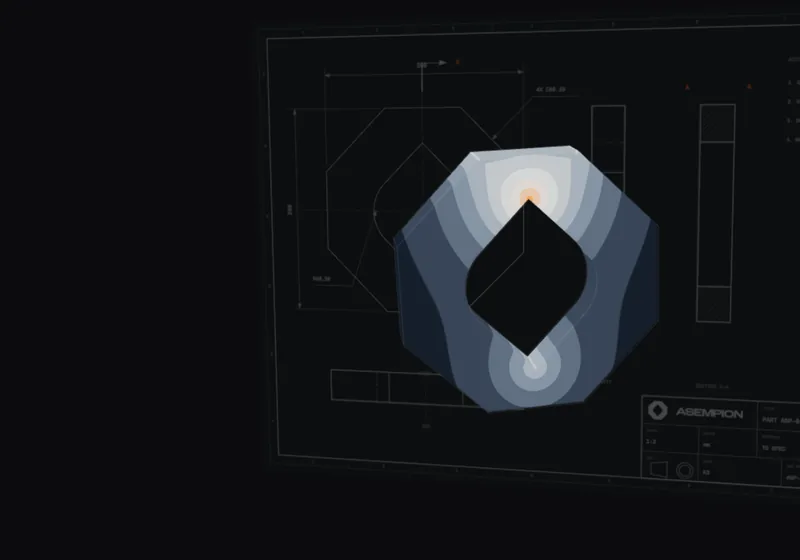
01 / Industrial design
DFM, CAE and functional prototyping from the concept stage. Series production realities are counted in from the start.
Explore the service: Industrial design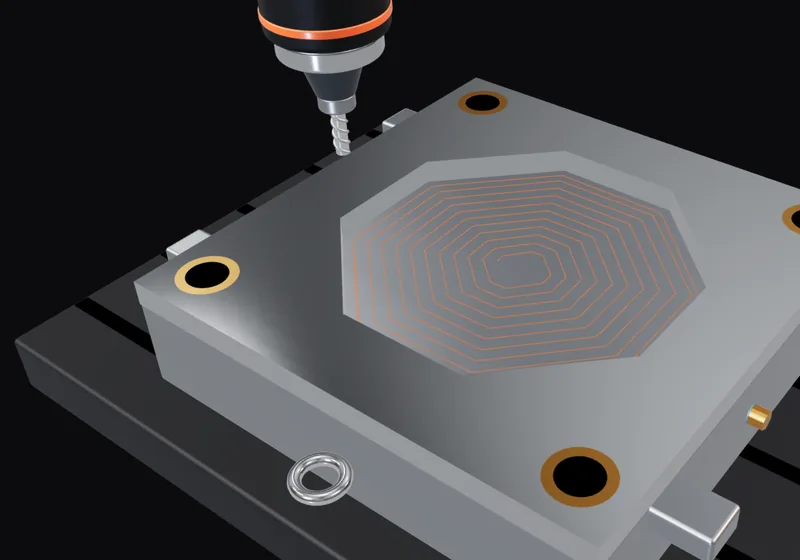
02 / Injection tooling
Parts from a prototype mould are measured and the results feed back into the series mould design.
Explore the service: Injection tooling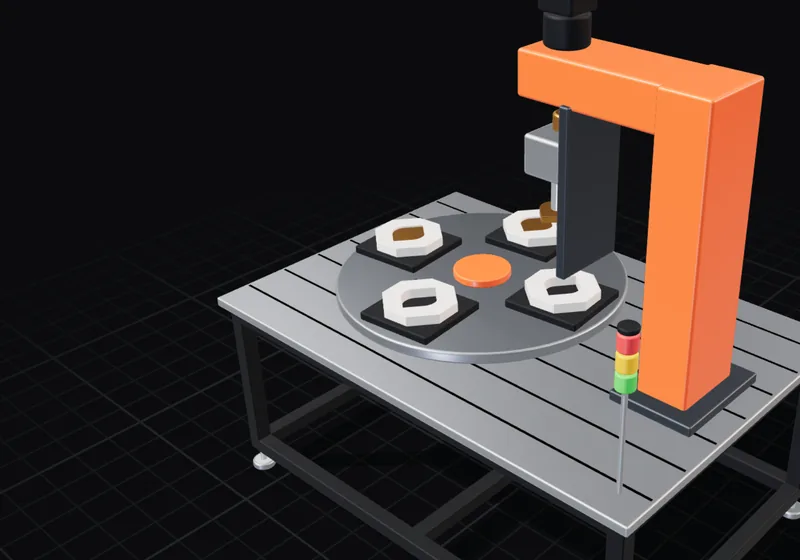
03 / Special machinery
Test rigs and pilot stations are designed from zero for the conditions of your product.
Explore the service: Special machinery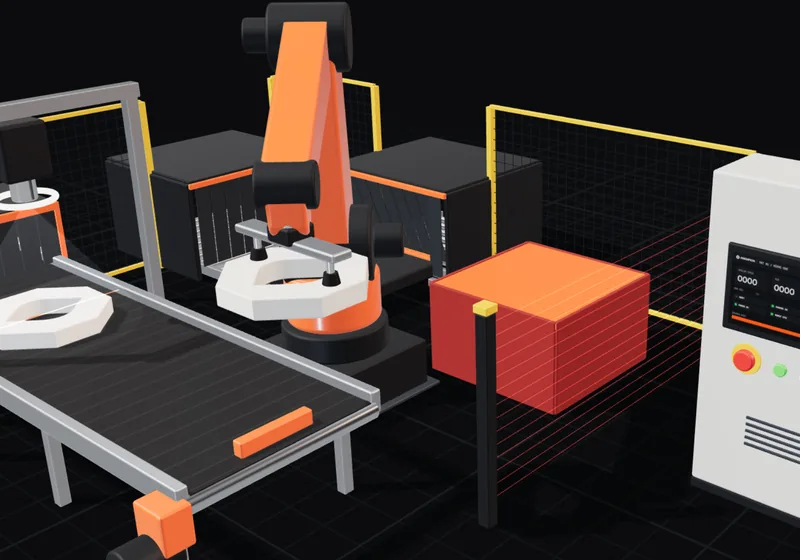
04 / Automation & control
Data acquisition, control and reporting software. Measurements turn directly into design decisions.
Explore the service: Automation & control(03) Focus
How the principles that hold on every project apply in this industry.
With design, tooling and rigs in one team, a change does not depend on going back and forth between companies.
Every prototype comes with a measurement plan. Decisions rest on data, not on guesses.
Choices made at the prototype stage are made with series production in mind. DFM starts on day one.
(04) Questions
The questions we hear most in this industry, with short answers.
A design that works well as a prototype but does not suit the series manufacturing method. That is why DFM review starts at the prototype stage and series mould and production realities are counted in from the start.
SLA and SLS printing and machined samples. Form, fit and function are tested early for the purpose and the results feed back into the design.
A prototype mould is made fast and economically for small trial runs. A series mould is designed for long life and many cavities. The results from the prototype mould feed the series mould design.
It copies the real load and operating conditions of your product, collects the measurements and reports them. Decisions then rest on data, not on guesses.
Next industry01 / 09