Flow
The bottleneck is found by looking at the whole line. We balance the entire flow instead of speeding up one station.
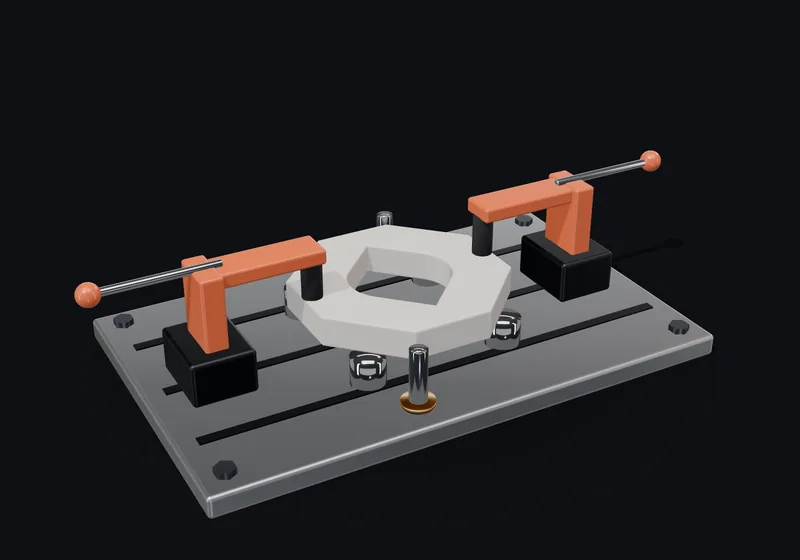
Conveyors, transfer systems and robotic packing cells
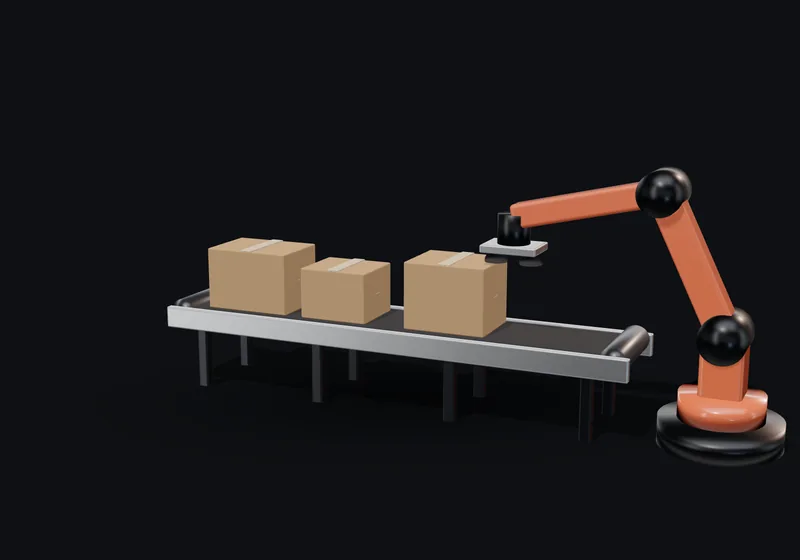
In a warehouse, efficiency is measured by how many times a product is touched by hand. We design and build conveyors, transfer systems, robotic packing cells and the control software that runs them in one team.
(01) Our work
What slows a warehouse down is often a single station. We look at the whole flow, find the bottleneck and build the answer as machinery and software together.
Conveyor, transfer and diverting systems designed around your product and flow.
Cells for placing into cartons and palletising with a robot arm, gripper and vision.
Systems that route products to the right line by barcode and camera reading.
Line monitoring, fault logging and operator screens with PLC and HMI.
(02) Services
The services used together most often in this industry. Each can also be taken on its own.
01 / Special machinery
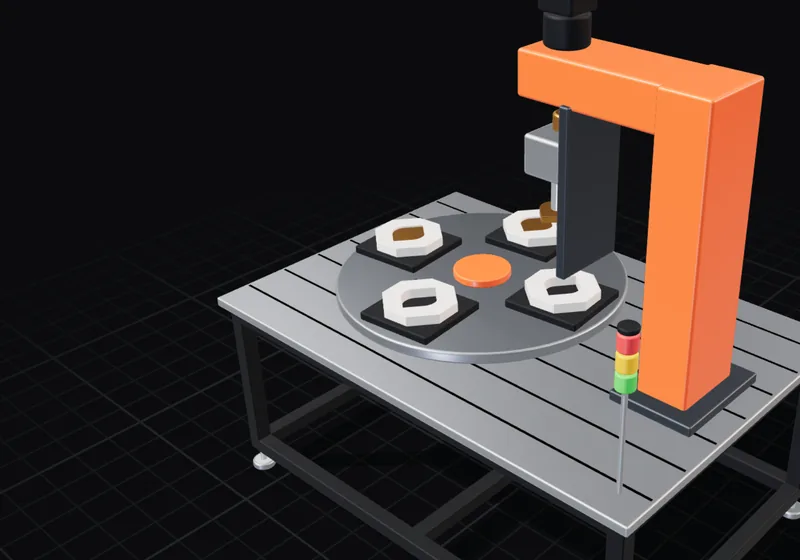
Conveyors, transfer and palletising systems are designed from zero for your volume and delivered with FAT.
Explore the service: Special machinery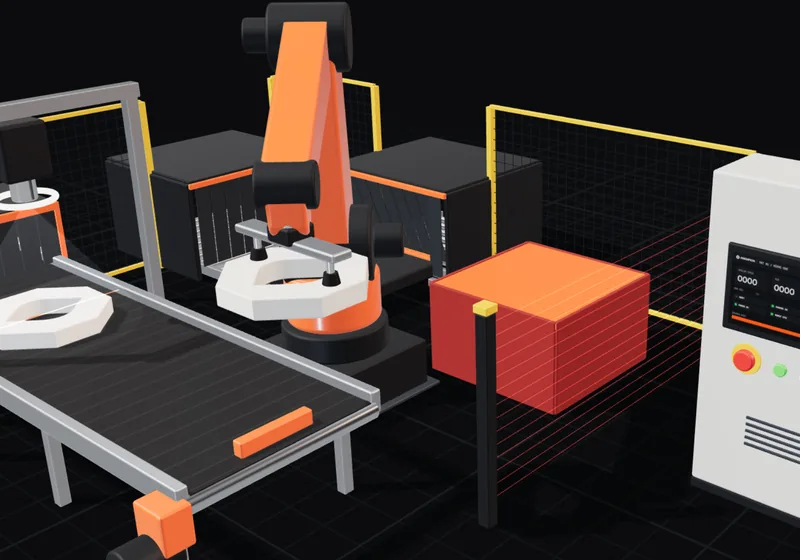
02 / Automation & control
Robot, vision and PLC software in one team. Line monitoring and fault logging on the operator screen.
Explore the service: Automation & control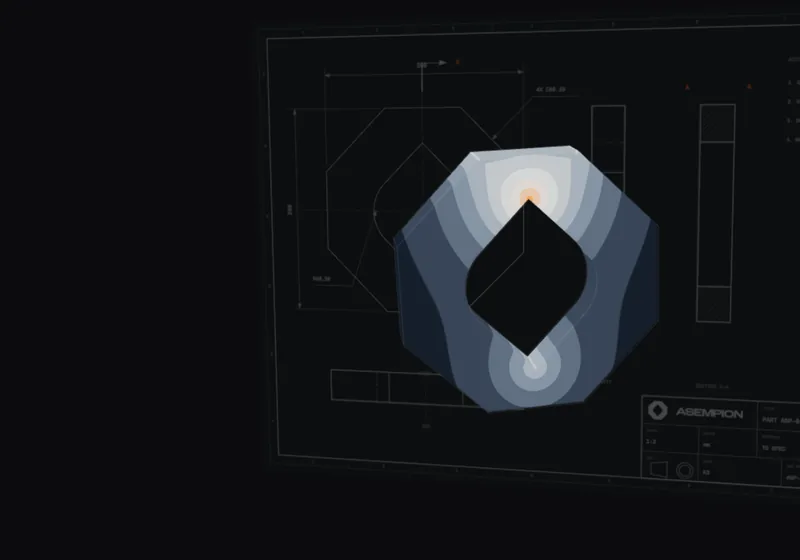
03 / Industrial design
Product and pack geometry is designed with the conveyor and gripper in mind. Handleability is part of the design.
Explore the service: Industrial design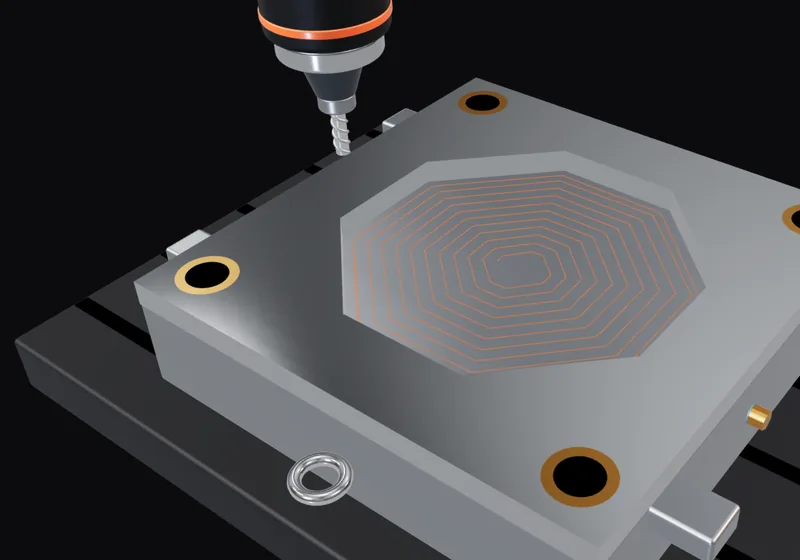
04 / Injection tooling
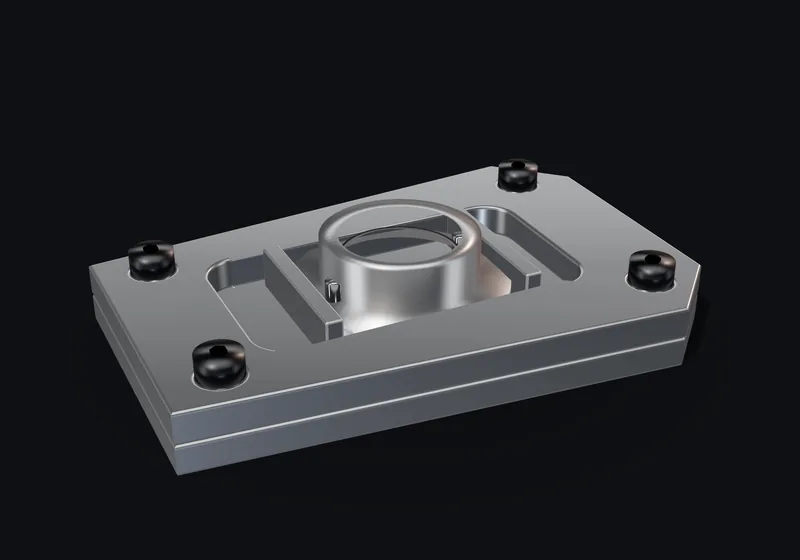
Precision parts for gripper fingers, guides and special fixtures are made in the same team.
Explore the service: Injection tooling(03) Focus
How the principles that hold on every project apply in this industry.
The bottleneck is found by looking at the whole line. We balance the entire flow instead of speeding up one station.
The cell is built to CE norms with light curtains, guarding and safety relays.
The line is modular. Stations can be added when volume grows.
(04) Questions
The questions we hear most in this industry, with short answers.
Different products and pack types such as cartons, cases, bags and trays. A vacuum or finger gripper is chosen for the geometry and weight of the product and position is verified with vision.
Products per hour, product dimensions, flow direction and available space are the inputs. The bottleneck is found by looking at the whole line rather than one station and the system is sized around it.
Yes. The line is modular, so stations can be added when volume grows. The control software is set up to take that expansion.
The cell is built to CE norms with light curtains, guarding and safety relays. Safety is part of the first layout plan, not something added at the end.
Next industry09 / 09